
Ever wonder why you don’t feel as fresh on Day 4 of the regatta as you did on the first day? Sure, your tired, you’ve been racing all week, but is it possible you’re not recovering in the same way that other athletes are recovering? After the last race of the day, everything you do to your body after that moment, effects your recovery for the following day’s racing. Let’s have a quick look at some important recovery tips and techniques that will help you get back to 100% for the next day of racing, despite how much you destroyed yourself on the water that day!
This article is adapted from an article in Australian Sailing Magazine, written by Andrew Verdon, AIS Strength & Conditioning Coach, with input from Michael Blackburn (AST Laser Coach) and Jo Vaile (AIS Performance Recovery coach).
Windsurfing for long periods of time – especially under stressful race conditions – builds lactic acid. A good recovery program at the end of each race day or training session is ESSENTIAL.
WHEN IS RECOVERY MOST IMPORTANT?
- After long training sessions, or if you’ve done multiple training sessions in one day.
- Competing in more than race per day.
- Competing regularly.
- Competitions over long periods of time (ie, several days)
- History of, or current injuries
- High levels of fatigue/muscle damage (ie, strong winds/waves etc)
WHAT IS MOST IMPORTANT?
There are four main aspects you should attend to when doing recovery:
- Warm down immediately
- Stretching
- Nutrition
- Sleep
WARM DOWN IMMEDIATELY:
Spend 5-10 minutes warming down after every training session or race day. This begins the repair process and enhances the removal of waste products from the muscular system. A short walk around the beach or very light jog to the park across the street will suffice here.
STRETCHING:
Always complete five minutes of light stretching. Usually after windsurfing, the muscles that get tight are your calves, hamstrings, quads and shoulders. This stretching is to relax the muscles, so no need to do 60 second hard holds, static stretches of 5-10 seconds are best.
NUTRITION:
You’ll want 3 things here; fluids, carbohydrates and protein. Focus on re-hydrating with fluid as the MAIN priority, then re-fueling with carbohydrates and protein. There are plenty of liquid drinks that have carbs/protein added, that will make this easier.
As soon as you finish the final race of the day and hit the beach, EVERYTHING you put in to your body after that moment effects your recovery for the next day. Maybe skip that Quarter Pound meal with coke and try a protein shake and some cold pasta with a bottle of water.
SLEEP:
The foundation of good recovery is always SLEEP. Sleep is probably the most important and significant process in recovery despite a lot of people paying little attention to this during regattas. The bulk of the restorative and renewal processes in your body happen during sleep, so aim to get to bed half and hour earlier to aid these processes. Aim to get 7-9 hours sleep after heavy training sessions or race days to give your body the BEST CHANCE of recovering.
ADVANCED RECOVERY TECHNIQUES
Once you’ve got the basic 4-step recovery process down and comfortable, maybe it’s time to think about these advanced recovery techniques to give your body all the help it needs to get back in shape for that next race the following morning. These advanced recovery techniques will only really give you an advantage if your stretching, nutrition and sleep is already up to standard. These advanced techniques, used without getting a decent night’s sleep, might not really give you any result at all; and are also more logistically harder and expensive than the simple 4 steps mentioned above. The advanced techniques include:
- Contrast Water Therapy
- Cold Water Immersion
- Compression Garments
CONTRAST WATER THERAPY:
Alternating between hot and cold water on the whole body helps to increase blood flow and stimulate the central nervous system, which can reduce swelling, decrease stiffness, increase your range of motion, reduce muscle soreness and improve the removal of metabolites. Research suggests that an equal amount of time in hot and cold water immersion in a bath/spa or shower is ideal. For example, 2 minutes in cold water in the bath, then 2 minutes in hot water under the shower, then repeat this 3 times.
Always finish with cold water to reduce body temperature and inflammation. This cools the whole body which is great for recovery.
COLD WATER IMMERSION & ICE BATHS:
Cold water immersion (more commonly known as ice-baths) are a great way to reduce muscle and core temperatures, decrease metabolism, reduce inflammation, enhance blood flow, decrease pain and reduce muscle spasm. The best temperature is around 15 degrees, sitting in the bath for about 2-5 mins although you can actually get decent results just using cold tap water and staying under for 5-15 mins. Another option is to take a walk in the ocean water for 5-10 mins after you’ve finished de-rigging (as long as it’s not “tropical island” warm.
COMPRESSION GARMENTS:
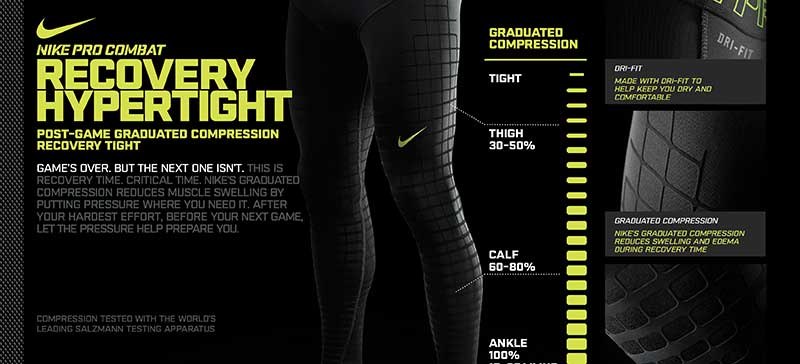
Putting on a compression garment after sailing, is a great way to decrease muscle soreness, increase bloodflow and decrease lactate levels. The claims made by many manufacturers about their supposed benefits to be used whilst training are yet to be validated.
For windsurfers, where we use A LOT of leg strength, full length tights are a great option. These full length versions push blood back up the legs to the heart; like a pump. If you’ve done a lot of pumping that day, a full length shirt could also be a good option.
Jo Vaille, AIS Performance Recovery expert, recommends that recovery should be approached in this order:
- Warm-down and stretching.
- Nutrition (ie, sports drink / food)
- Hydrotherapy (using water or showers)
- Compression garments (these can be worn for 2 hours or more)
- Nutrition (meal – usually dinner)
- Massage (either self-massage or use a foam roller or book yourself a massage therapist if you can!)
Free BeTheme WordPress Theme is the best product we ever did.







Does leaving your wetsuit (compressive garment) on and drinking a beer (carb loading) after sailing count for anything?
I’ve been practicing this for some time with mixed results.
The contrast water therapy you suggest only provides temporary relief – especially if you practice it from the waste down- running down your left leg….
Thanks for the great tips.
Steve
I think it has the same success rate as doing your ‘warm-down’ on the dancefloor with a vodka/tonic in hand. 100% SUCCESS!
I´m glad you are back to posting!!! Finally!!!
Have a great 2012!!!! Dont forget to post some more great articles:):)
A fan from Portugal
So nice with new posts! Keep em coming, love your posts!